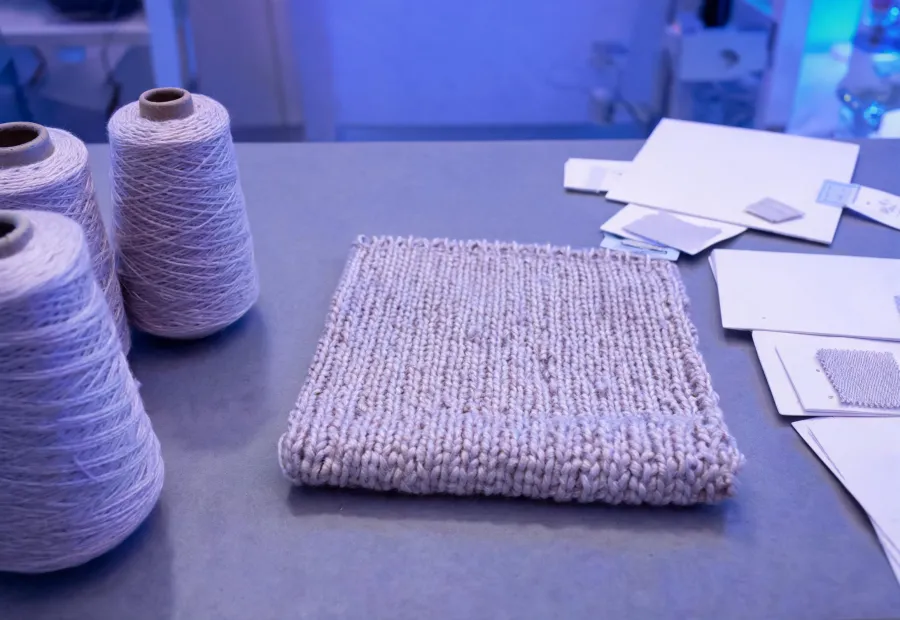
Fiber and yarn pathway
Build temperature regulation into the textile chain.
Fiber-based routes are considered for products worn next to or close to skin, then knitted or woven into the selected construction.
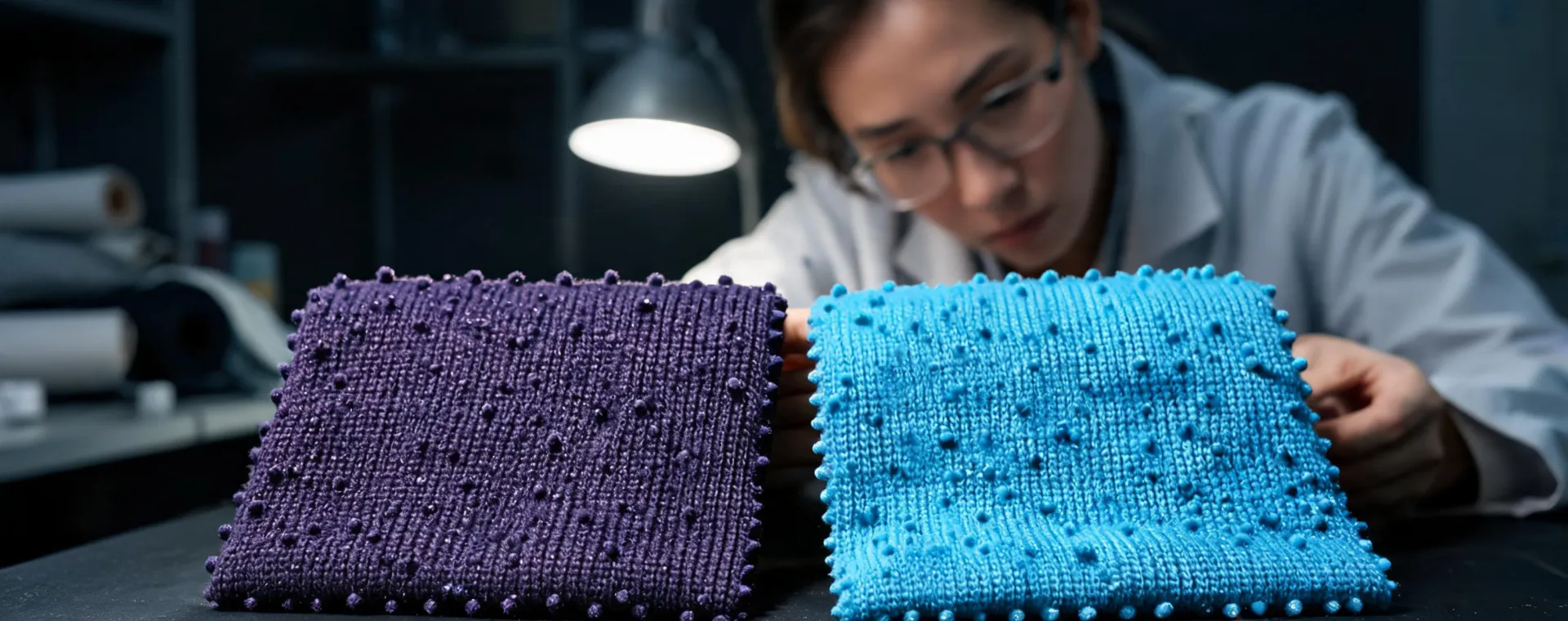
Temperature regulation for textile systems
Start with the wearer, layer position and heat exposure. Outlast® Temperature Regulation can be integrated through fibers, coatings and material pathways that are reviewed against the intended textile construction.
Brief with end use · carrier material · construction · test method
Featured material routes
Heat storage, handfeel, durability and placement interact differently in a yarn, a coated lining or a finished fabric. A reviewable brief makes those trade-offs visible early.
Fiber-based routes are considered for products worn next to or close to skin, then knitted or woven into the selected construction.
Evaluate carrier, placement and the desired heat-buffering role for the layer.
Review a thin printed treatment where the base fabric remains central to the final behavior.
Discuss project-specific finishing for foam or padding applications with the technical team.
Separate cool-touch perception from temperature regulation when defining the test plan.
Excess heat is taken up by the material system under the stated conditions.
Microencapsulated wax provides a thermal buffer during its phase transition.
Stored heat can return as conditions cool and the wax solidifies.
Performance is reviewed by application, construction, specimen and method.
Application review
Share the end use, layer position, carrier material, construction, expected climate, care route and the evidence required for the next sample decision.