Spinnable temperature-regulating material
Microencapsulated natural wax may be incorporated into fibers that can become yarn and then a knitted or woven textile. Consider the next-to-skin position, blend, construction and care route.
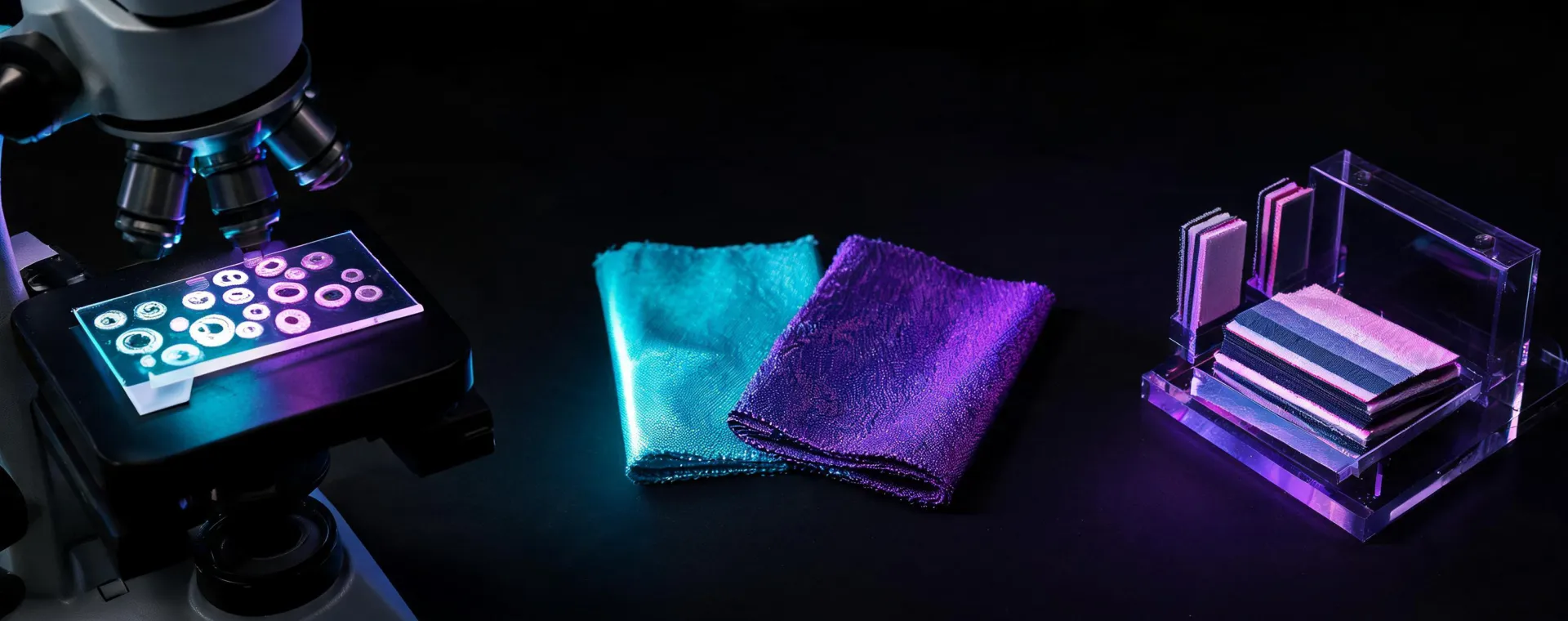
Material Innovation
Material innovation begins by choosing the right route for the end product: fiber and yarn, a coated textile, a thin surface process or a project-specific compound. Each route preserves a different set of trade-offs for construction, placement and verification.
Technology platforms
Scroll across the material routes and define the project constraint before choosing one.
Microencapsulated natural wax may be incorporated into fibers that can become yarn and then a knitted or woven textile. Consider the next-to-skin position, blend, construction and care route.
Coated materials can be considered for linings in clothing, footwear or bedding. Carrier choice, coating placement and handfeel remain part of the development decision.
Outlast® MIC applies a thin layer to a textile surface for selected close-to-skin ranges. The base fabric still governs many aspects of drape, wicking and final behavior.
For certain developments, compound can be used in finishing approaches such as foam or padding applications. Technical development support and a defined test plan are essential.
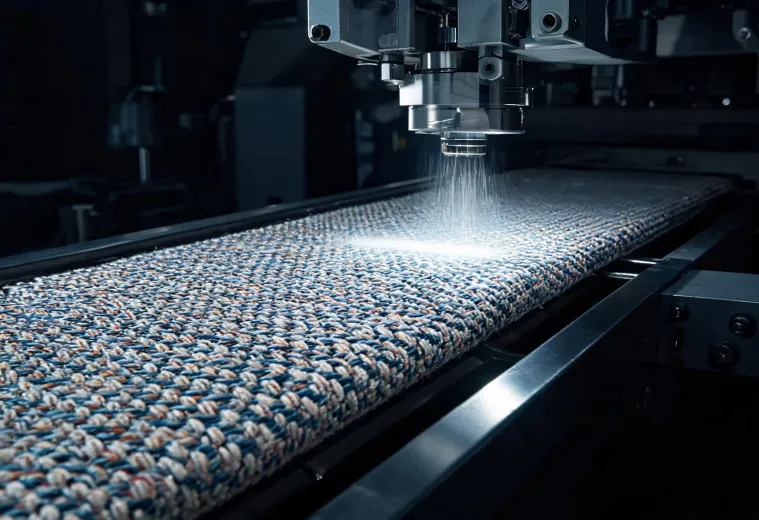
Process technology
When a temperature-regulating treatment is introduced, it does not erase the properties of the carrier. Fiber content, yarn form, weave or knit construction, GSM, usable width, finishing history and garment assembly can all influence the final result. A material review records which factors are fixed, which are being compared and which are still open.
That discipline also makes trade-offs visible. A route selected for high thermal storage capacity may call for a different handfeel discussion than a route selected to retain a familiar fabric surface. A close-to-skin route may not be suitable for every multilayer application. Instead of framing one option as universally better, the program defines the objective and then tests the appropriate construction.
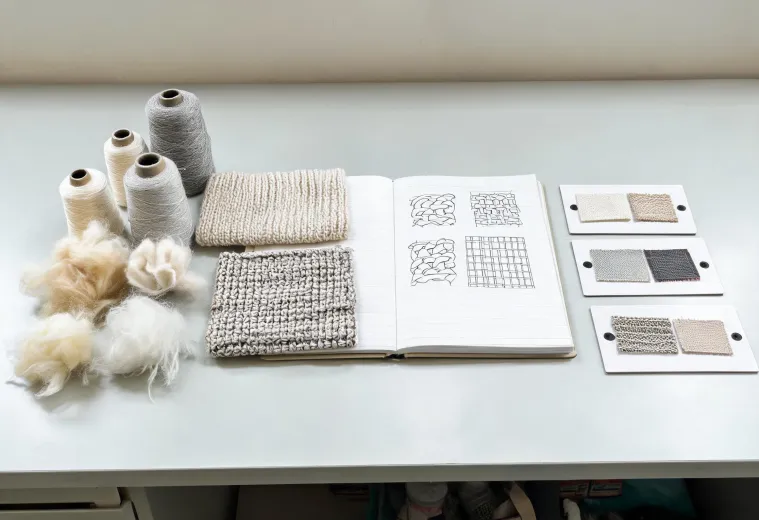
Evidence design
Phase-change material stores and releases heat through a change of state, but an end-product statement still needs a relevant specimen and method. A laboratory textile result, a climatic comparison and a wearer observation each contribute different evidence. They should be presented with their own conditions rather than merged into a single generic comfort claim.
This distinction is especially important when a material moves from sample to pilot and then to production. Color, weight, construction, finishing and care can change across those stages. Keeping documentation connected to the sampled configuration helps a material team decide what to repeat, what to verify and what remains outside the evidence scope.
Evidence scope
Outlast does not use this page to imply a universal certification set. Available product documentation, applicable test records and integration guidance must be checked for the particular material path and project.
Material innovation review
Send the intended application, selected carrier, construction, desired layer position and the thermal question the program needs to answer.