Application framing
Identify whether the material sits next to skin, in a lining, an intermediate layer or a filled construction. Name the activity, ambient conditions and comfort question that matter to the wearer.
Integration support
Temperature regulation is not a label added at the end of a program. The carrier material, construction, placement, heat exposure and expected care route shape what can be reviewed. Our service conversation organizes those inputs before a sample is advanced.
Build a Technical Brief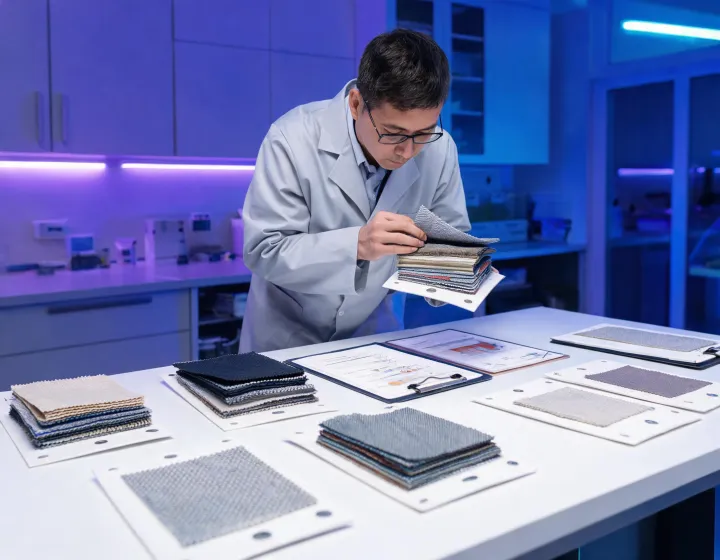
Identify whether the material sits next to skin, in a lining, an intermediate layer or a filled construction. Name the activity, ambient conditions and comfort question that matter to the wearer.
Compare the available fiber, yarn, knit, woven, nonwoven or coating carrier with the intended route. Base-fabric properties remain part of the result, rather than disappearing behind a technology name.
Separate an exploratory swatch, a construction sample and a production-lot reference. Record the material version, finishing state, care condition and acceptance question at each stage.
Match a claim to a specimen, conditioning protocol and stated endpoint. A wearer trial, climate-chamber comparison and textile property test answer different questions and should not be interchanged.
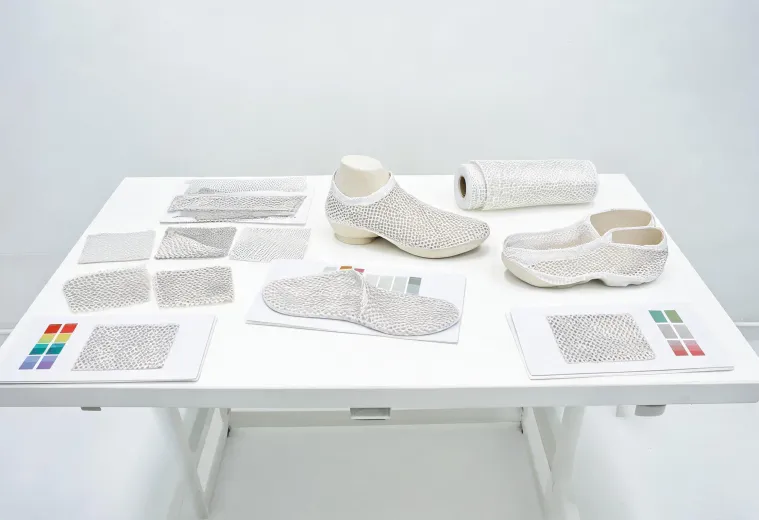
Application path: footwear lining
For footwear, a coating or textile layer may sit close to the foot rather than replace the structural upper. The review asks which surface contacts the wearer, how moisture transport is managed by the full construction and what wear or care exposure needs to be represented. It avoids treating a material integration as proof that every shoe model will feel the same.
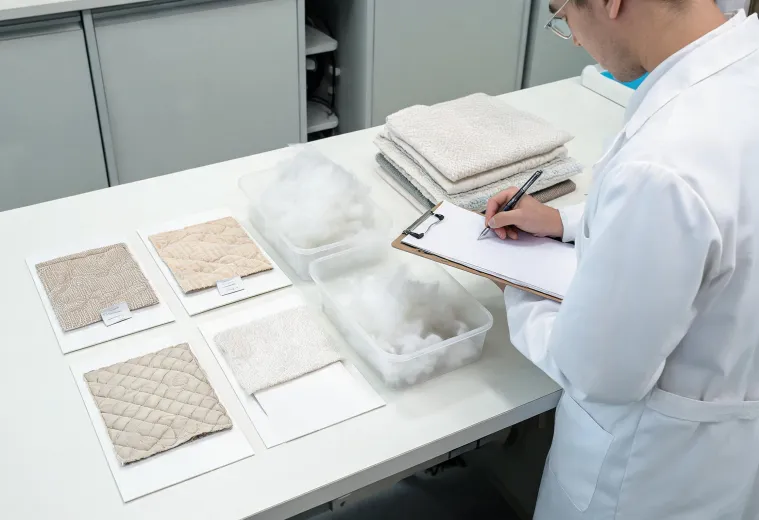
Application path: bedding system
For bedding, a fiber fill, lining or mattress textile has to be evaluated in the finished stack, not as an isolated swatch. The brief records contact layer, cover construction, conditioning time and the desired comparison. This helps the team distinguish thermal buffering from a broad promise about sleep quality.
Start with evidence
Include the intended product, layer position, carrier, construction, heat or moisture exposure, care route, test method if known, expected quantity and destination. A concise brief creates a useful first review without turning a preliminary sample into a finished-product promise.